Note de référence · Cadre d’impactReference note · Impact framework
Théorie du changement prospective de LUMEREVALUMEREVA prospective theory of change
Rendre explicites les hypothèses qui relient les moyens, les services et les transformations recherchées.Making explicit the assumptions connecting resources, services and intended transformations.
Version 1.2Septembre 2026September 2026Document de travail institutionnelInstitutional working document
Objet de la notePurpose of this note
Cette note établit une logique prospective destinée à guider la préparation des initiatives et à rendre visibles les conditions nécessaires à leur contribution future.This note establishes a prospective logic intended to guide initiative preparation and make visible the conditions required for future contribution.
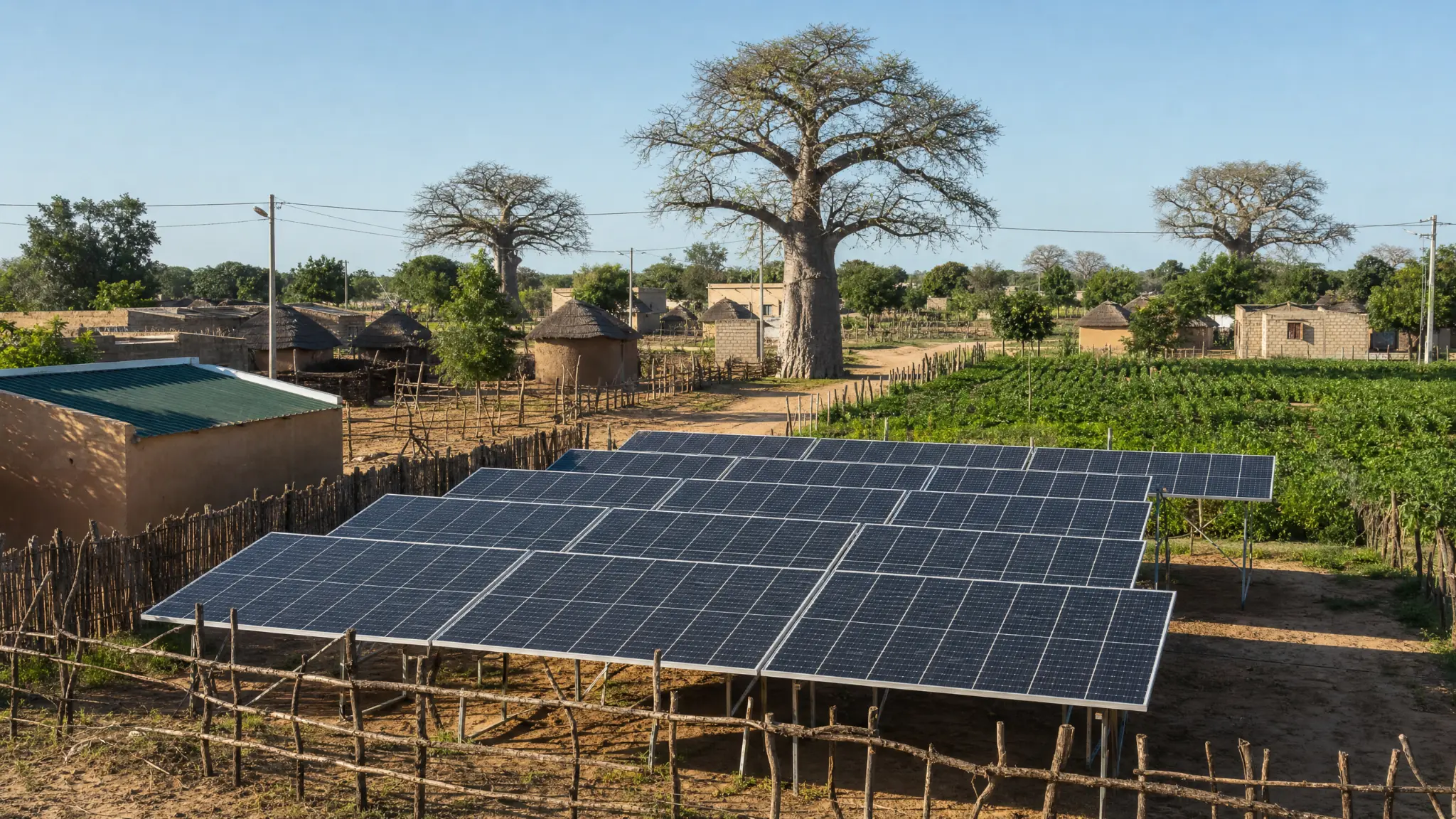
Planification, hypothèses et chaîne de changementPlanning, assumptions and change pathwayillustration conceptuelle — produite numériquementconceptual illustration — digitally producedChaîne de changement à éprouverChange pathway to be testedLes étapes représentent des hypothèses, non des résultats acquis.The stages represent assumptions, not achieved results.visualisation conceptuelle — produite numériquementconceptual visualization — digitally produced
01DiagnosticDiagnosisBesoins et référenceNeeds and baseline
02ConceptionDesignOptions et partenariatsOptions and partnerships
03Services attendusIntended servicesAccès et usagesAccess and uses
04ApprentissageLearningPreuves et adaptationEvidence and adaptation
01
Problématique structuranteStructuring problem
L’accès physique à une connexion ne suffit pas à décrire la qualité d’un service énergétique. Les données Tracking SDG7 et les objectifs de Mission 300 montrent l’importance d’associer l’extension de l’accès à des usages sociaux et économiques concrets [1][2].A physical connection alone does not describe the quality of an energy service. Tracking SDG7 data and Mission 300 objectives underline the importance of connecting expanded access with concrete social and economic uses [1][2].
Contraintes de disponibilité et de fiabilité.Availability and reliability constraints.
Capacité de paiement et viabilité de l’exploitation.Affordability and operating viability.
Équipements et compétences nécessaires aux usages.Equipment and skills required for use.
Coordination institutionnelle et maintenance.Institutional coordination and maintenance.
02
Chaîne causale proposéeProposed causal chain
La logique commence par un diagnostic partagé. Elle se poursuit par la conception, la structuration des partenariats et la préparation opérationnelle, avant de formuler des résultats attendus. Les effets de plus long terme demeurent conditionnés par des facteurs externes qui devront être suivis.The logic starts with a shared diagnosis, followed by design, partnership structuring and operational preparation before intended outcomes are formulated. Longer-term effects remain conditional on external factors that must be monitored.
Intrants : données, expertise, financement préparatoire et partenariats.Inputs: data, expertise, preparation finance and partnerships.
Activités : diagnostics, études, concertation et montage.Activities: diagnostics, studies, consultation and structuring.
Produits attendus : solutions préparées, responsabilités définies et mécanismes de suivi.Expected outputs: prepared solutions, defined responsibilities and monitoring mechanisms.
Effets attendus : service plus fiable, usages renforcés et capacités locales accrues.Intended outcomes: more reliable service, stronger uses and increased local capacity.
03
Hypothèses critiquesCritical assumptions
La théorie du changement doit être traitée comme un ensemble d’hypothèses à tester, non comme une promesse de causalité.The theory of change must be treated as a set of assumptions to test, not a promise of causality.
La demande et les usages prioritaires sont correctement estimés.Demand and priority uses are estimated correctly.
Les institutions partenaires disposent d’un mandat et d’une capacité suffisants.Institutional partners have sufficient mandate and capacity.
Les choix tarifaires et opérationnels restent socialement accessibles.Tariff and operating choices remain socially accessible.
La maintenance, les pièces et les compétences sont disponibles.Maintenance, parts and skills are available.
Les risques climatiques, sociaux et réglementaires sont gérables.Climate, social and regulatory risks are manageable.
04
Apprentissage et adaptationLearning and adaptation
Chaque étape devrait produire des preuves permettant de confirmer, réviser ou interrompre la logique envisagée. Les décisions seront documentées au moyen de revues périodiques, d’un registre d’hypothèses et de consultations structurées.Each stage should produce evidence to confirm, revise or discontinue the proposed logic. Decisions will be documented through periodic reviews, an assumptions register and structured consultations.
Revue de la situation de référence.Baseline review.
Validation des hypothèses avant engagement majeur.Assumption validation before major commitment.
Analyse des écarts entre résultats attendus et observations.Analysis of gaps between intended and observed outcomes.
Capitalisation des enseignements et ajustements.Documentation of lessons and adjustments.