
LUMEREVA

Pilot project prospects

From territories to initiatives for appraisal.
This presentation organises pilot prospects as a territorial journey: begin with priority services, connect productive uses and establish institutional conditions before implementation.

Explore the prospects
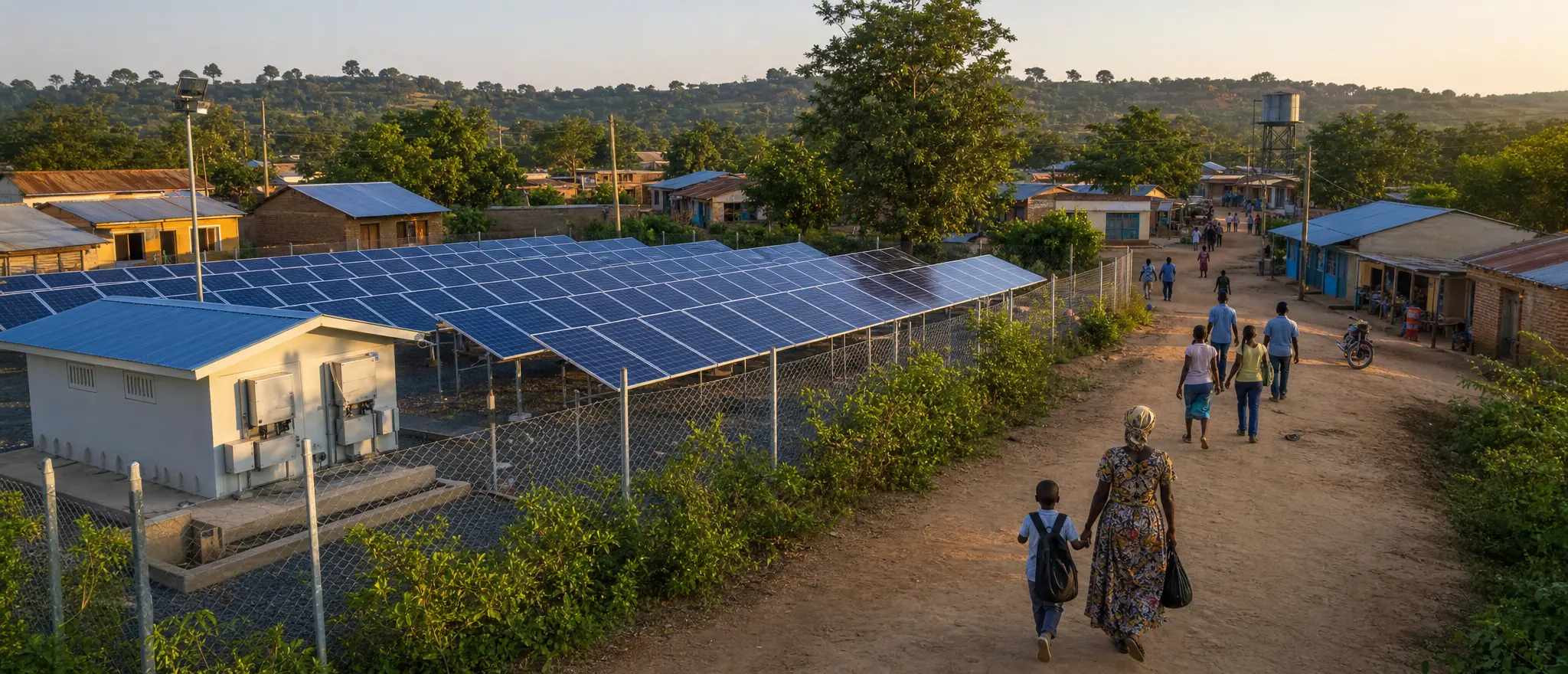
Conceptual illustration of a rural territory and services powered by solar energy.
conceptual illustration — digitally produced

01

Territorial perspective

A portfolio organised around three complementary functions.

Mini-grids provide a cross-cutting energy component within the portfolio. The prospects are organised around essential services, the local economy and human capacity.

Each prospect requires territorial, technical, environmental, social and economic appraisal before any implementation decision.

02

Mini-grids

Local infrastructure connecting essential uses.

Solar mini-grids are an integral part of LUMEREVA’s proposed pilot portfolio. Their preparation must connect generation, storage, distribution and operation with documented territorial needs.

Points to document

  • Define the service area and priority uses.
  • Compare the technical configuration with other electrification options.
  • Prepare operations, maintenance and the economic conditions of the service.
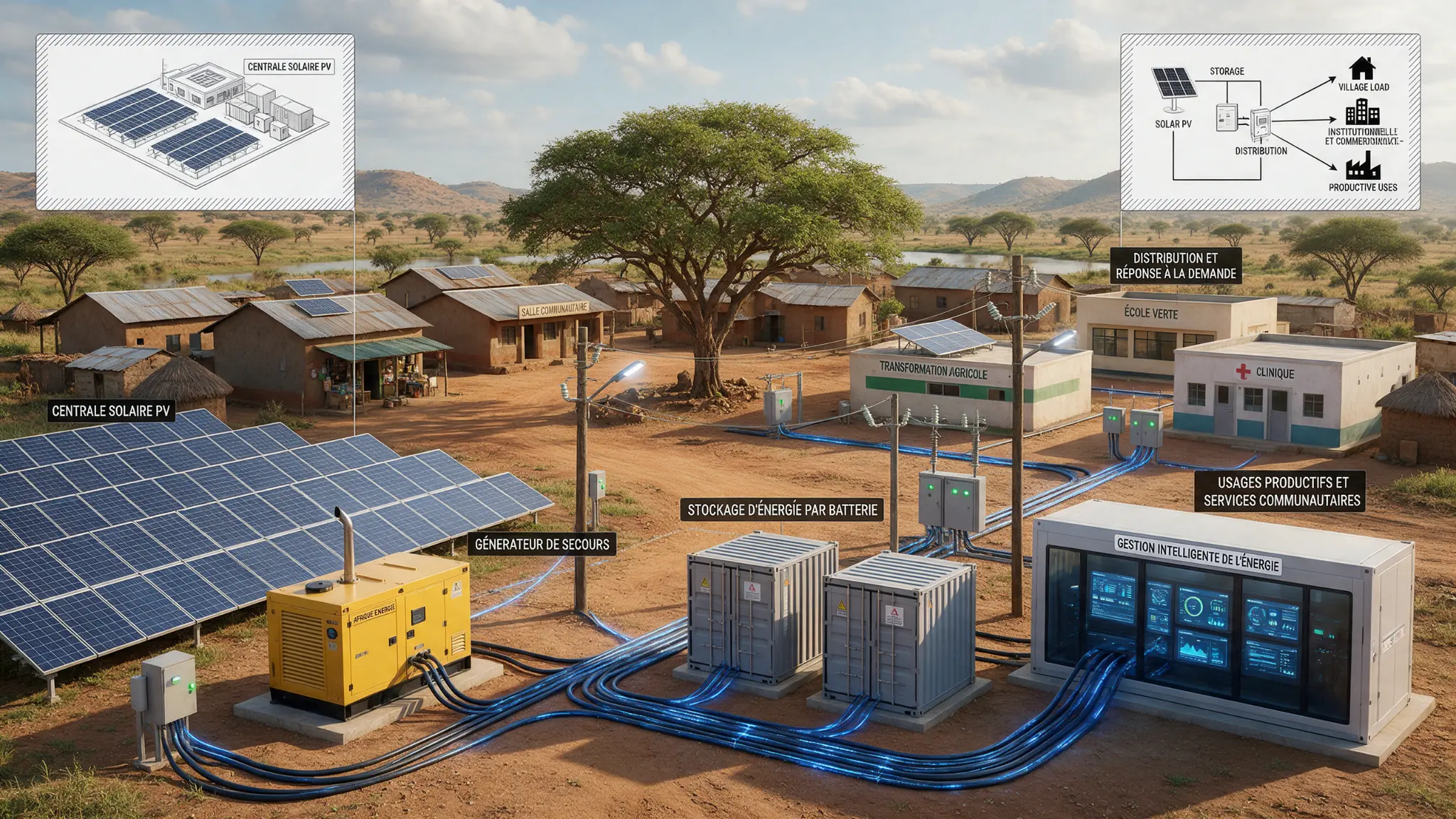
conceptual illustration — digitally produced

World Bank and ESMAP publications place mini-grids among energy-access solutions and highlight the role of productive uses in their preparation. [World Bank, 2022] [ESMAP, 2023]

03

Essential services

Securing the functions that shape daily life.

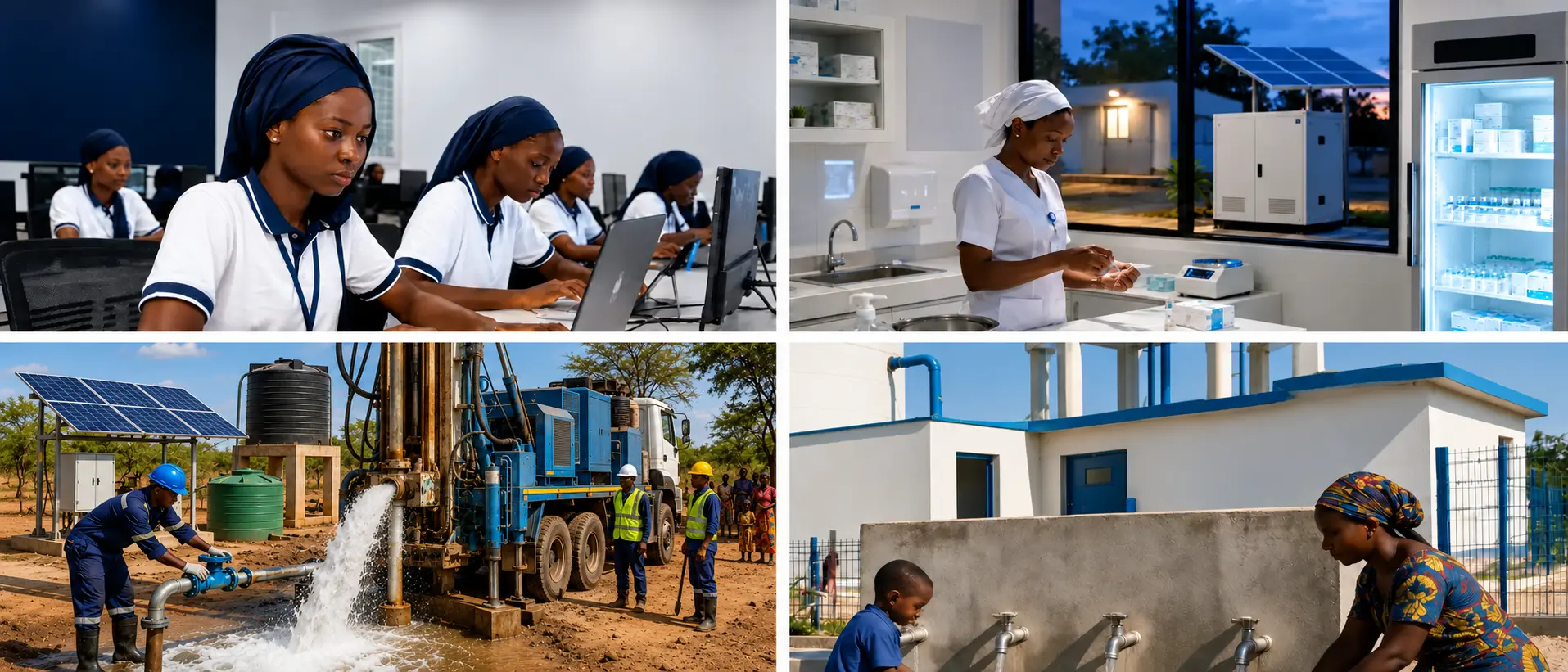
Conceptual illustration of energy uses in education, healthcare and water access.
conceptual illustration — digitally produced

03.1

Education

Prepare a learning environment supported by reliable energy.

Reliable energy for lighting, connectivity and learning tools.

Clarify lighting, connectivity and equipment needs with the institutions concerned.

Points to document

  • Identify lighting needs and educational equipment.
  • Establish usage schedules and connectivity requirements.
  • Plan maintenance and service management responsibilities.
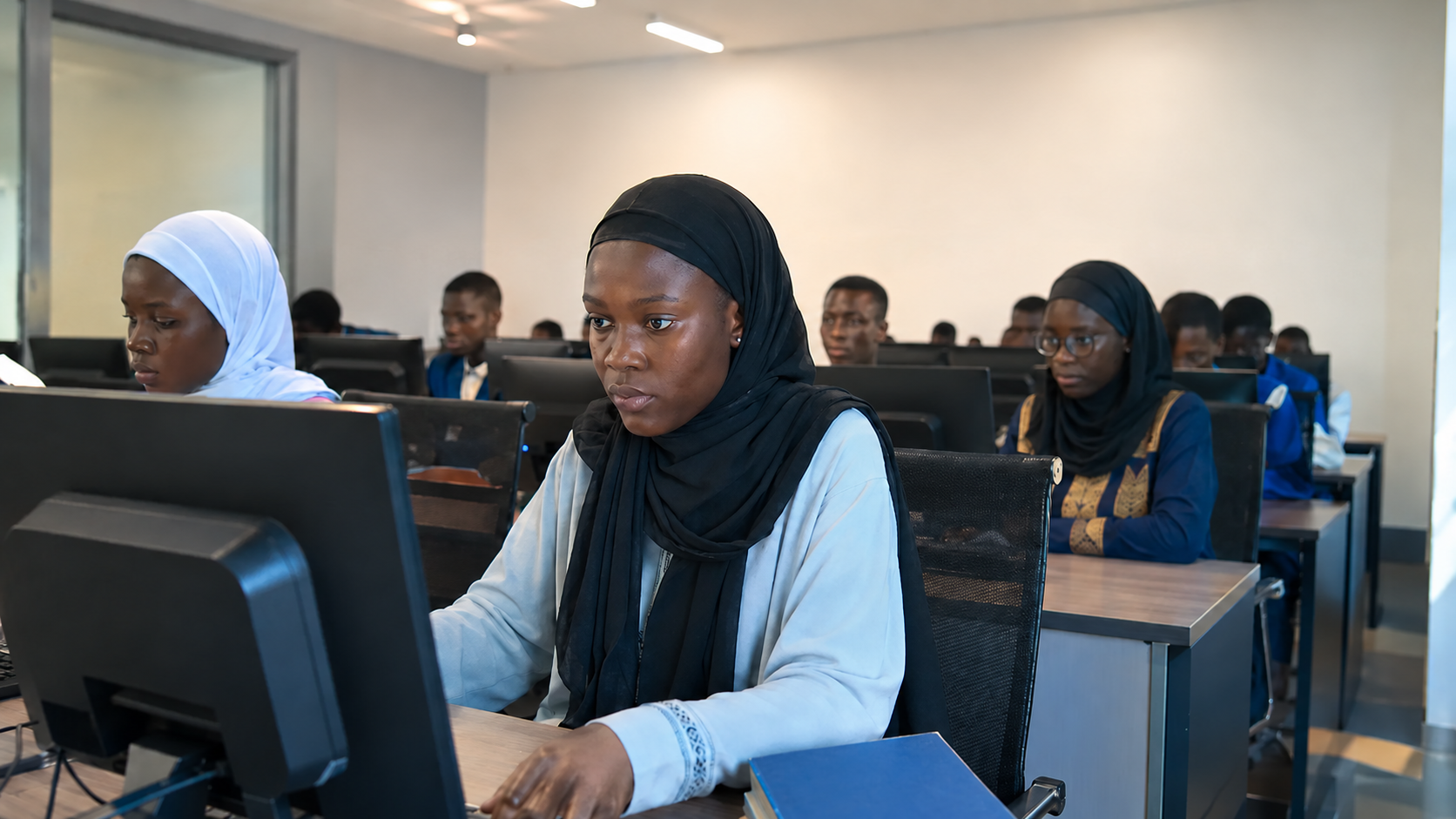
Students using digital tools in a learning space.
conceptual illustration — digitally produced

03.2

Health

Place continuity of care at the centre of energy preparation.

Continuity of care, medical cooling and priority equipment availability.

Examine critical uses and continuity requirements with healthcare services.

Points to document

  • Identify priority equipment and uses with healthcare professionals.
  • Examine medical product storage and continuity requirements.
  • Document operating, maintenance and monitoring conditions.
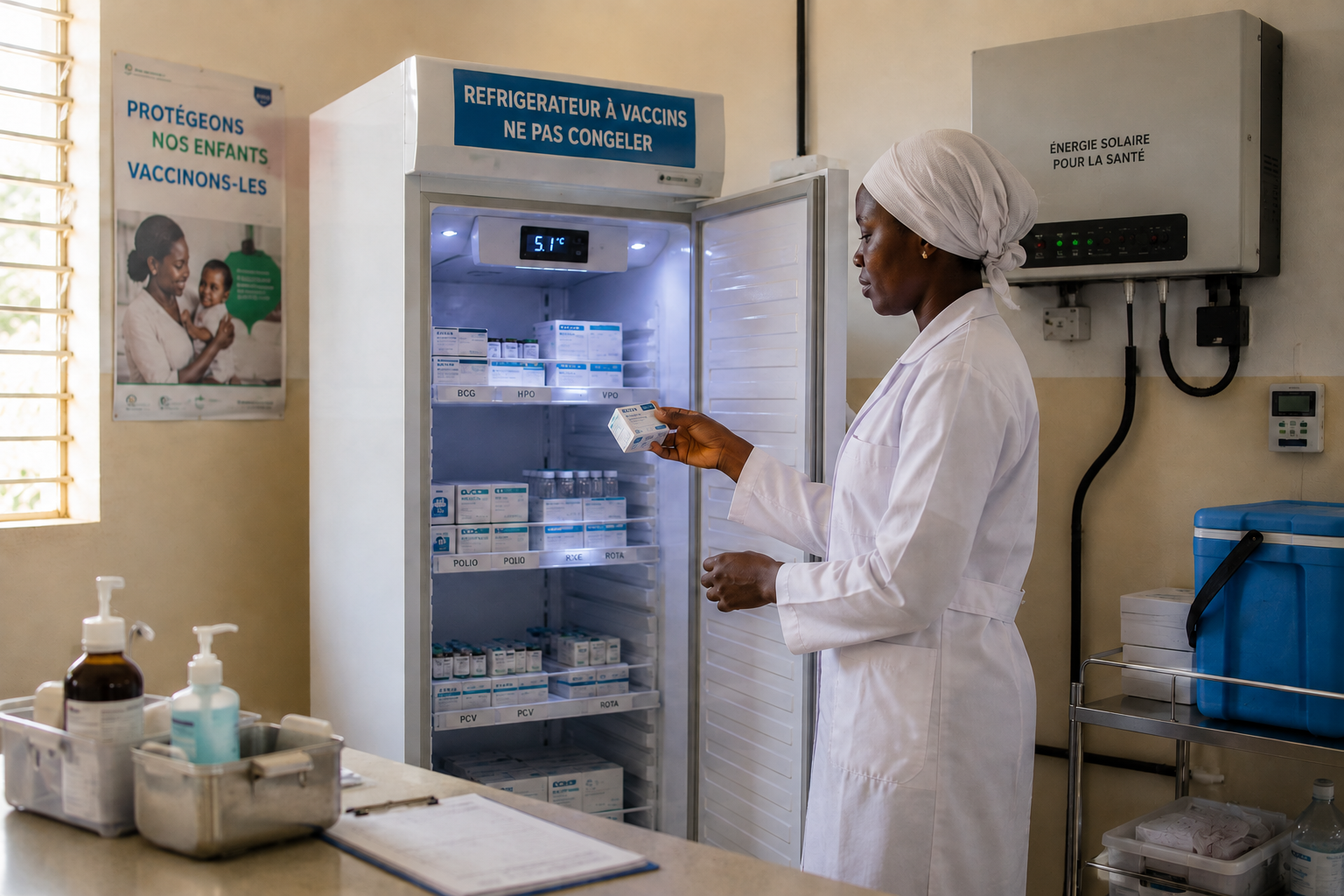
Healthcare professional and medical preservation equipment.
conceptual illustration — digitally produced

03.3

Water and agriculture

Connect water access, pumping and agricultural uses.

Solar pumping, storage and sustainable service organisation.

Relate water needs and agricultural uses to available resources and local management conditions.

Points to document

  • Clarify domestic and agricultural needs across seasons.
  • Examine available resources and water management conditions.
  • Prepare suitable pumping, storage and equipment choices.
Drilling and water supply equipment in a rural territory.
conceptual illustration — digitally produced
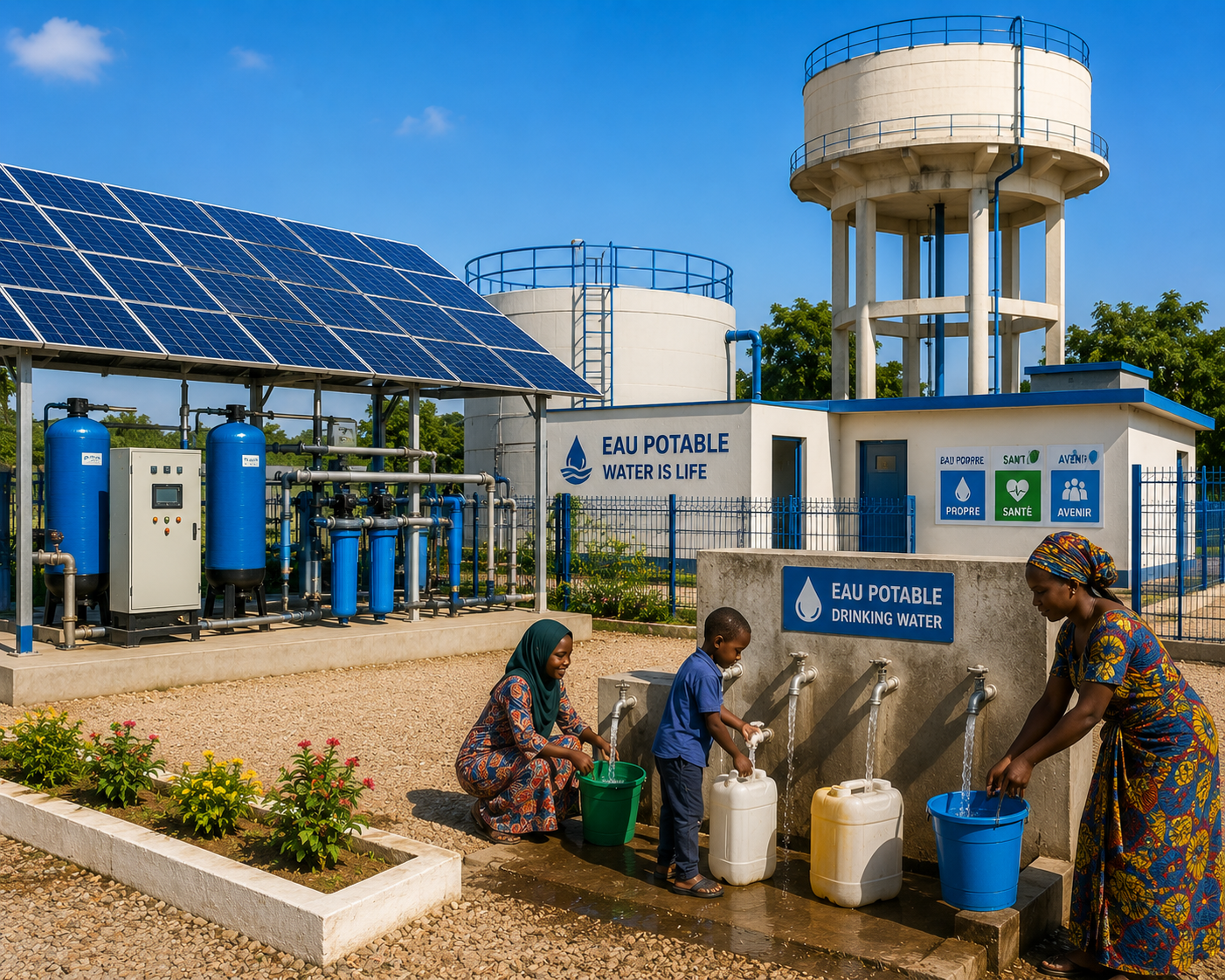
Water access facility with solar panels, storage tanks, treatment equipment and families using community taps.
conceptual illustration — digitally produced
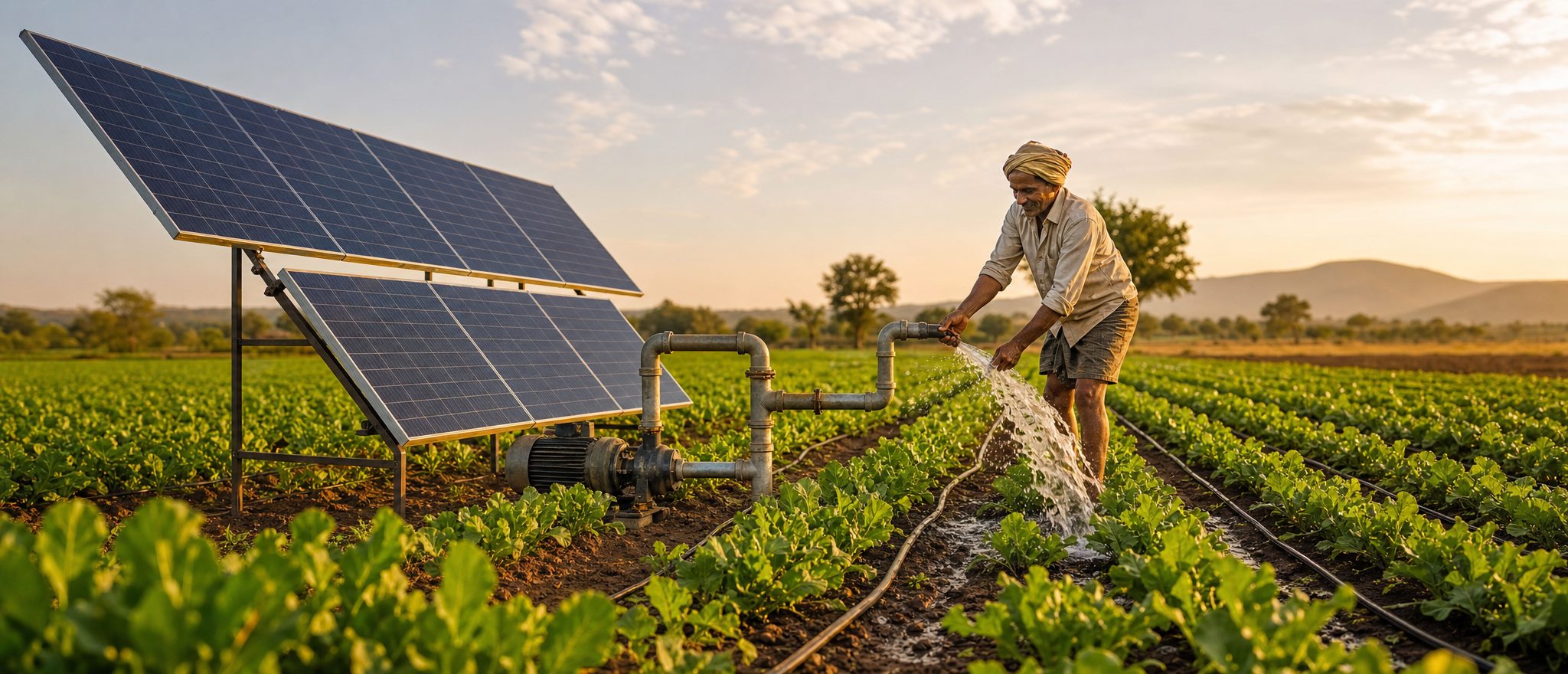
Farmer irrigating crops with a pump powered by solar panels.
conceptual illustration — digitally produced

04

Local economy

Connecting energy with territorial value chains.

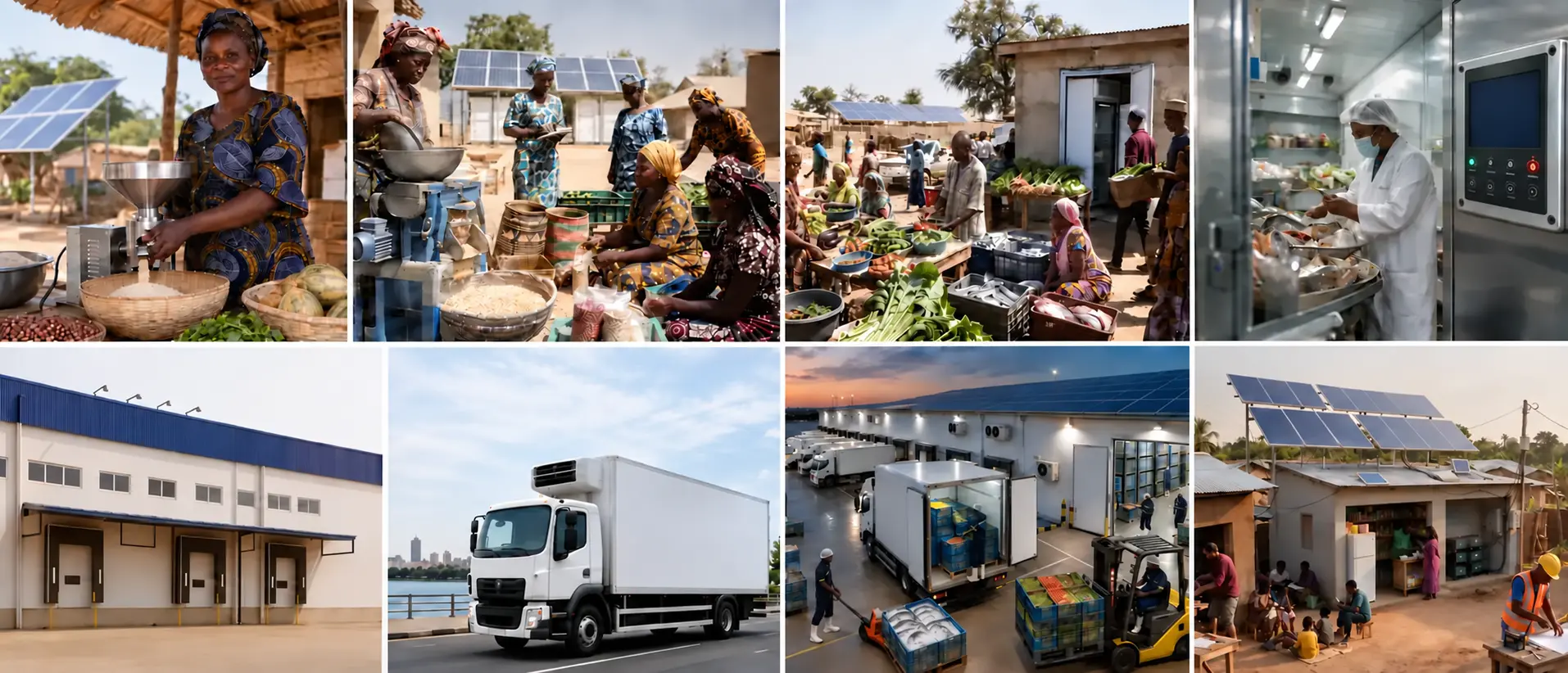
Conceptual illustration in eight scenes of productive activities, storage and the cold chain.
conceptual illustration — digitally produced

04.1

Agro-industry

Prepare the conditions for local processing.

Local processing and appropriately sized productive equipment.

Points to document

  • Identify products, volumes and seasonal activity patterns.
  • Clarify the needs of processing equipment.
  • Examine service arrangements and the necessary skills.
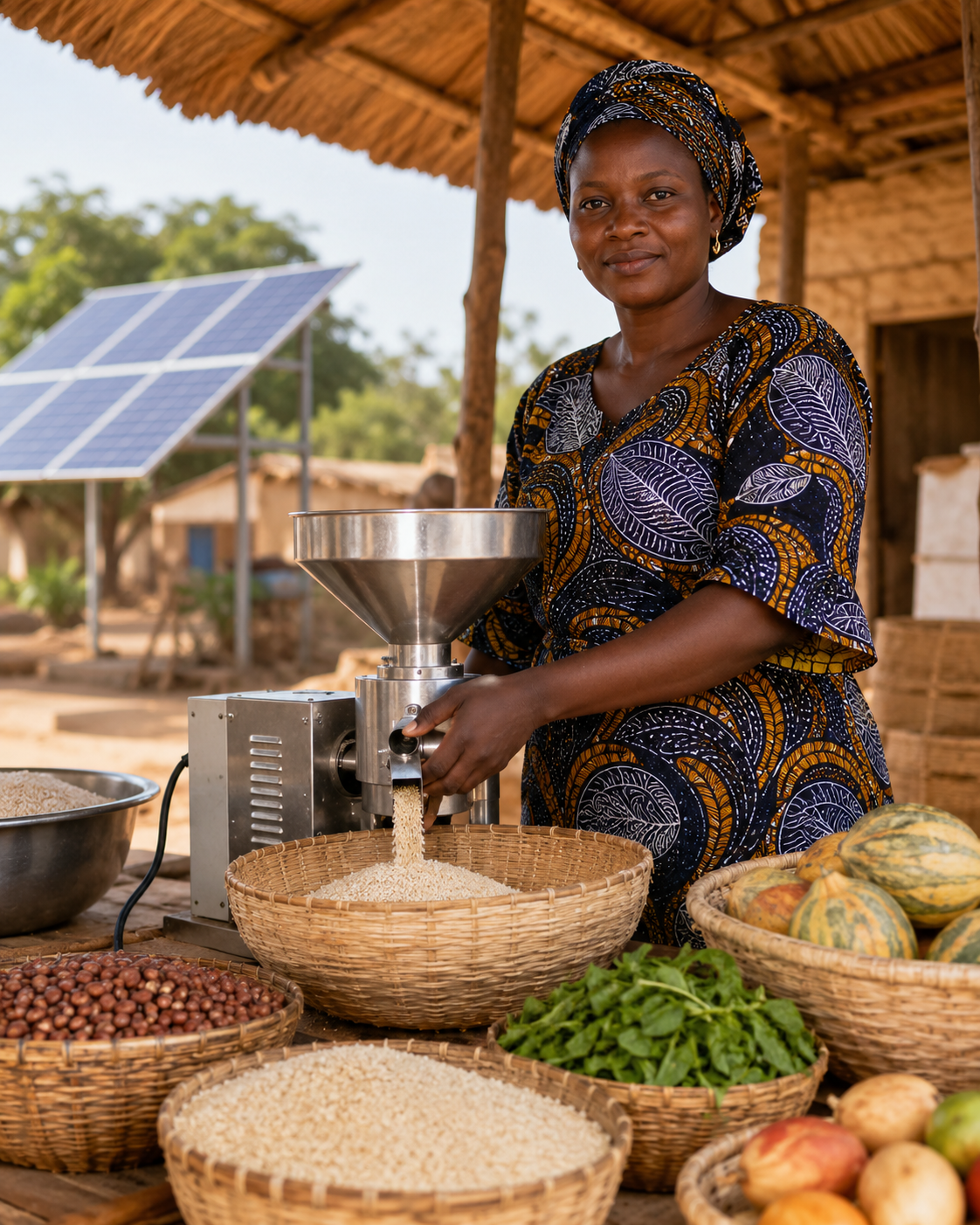
Woman operating grain-processing equipment, with agricultural produce and solar panels nearby.
conceptual illustration — digitally produced

04.2

Cold chain

Design preservation around value-chain needs.

Proposed preservation solutions for healthcare, fisheries and agriculture.

Points to document

  • Describe products to be preserved and expected temperature conditions.
  • Size the uses and continuity requirements.
  • Prepare maintenance, monitoring and operating responsibilities.
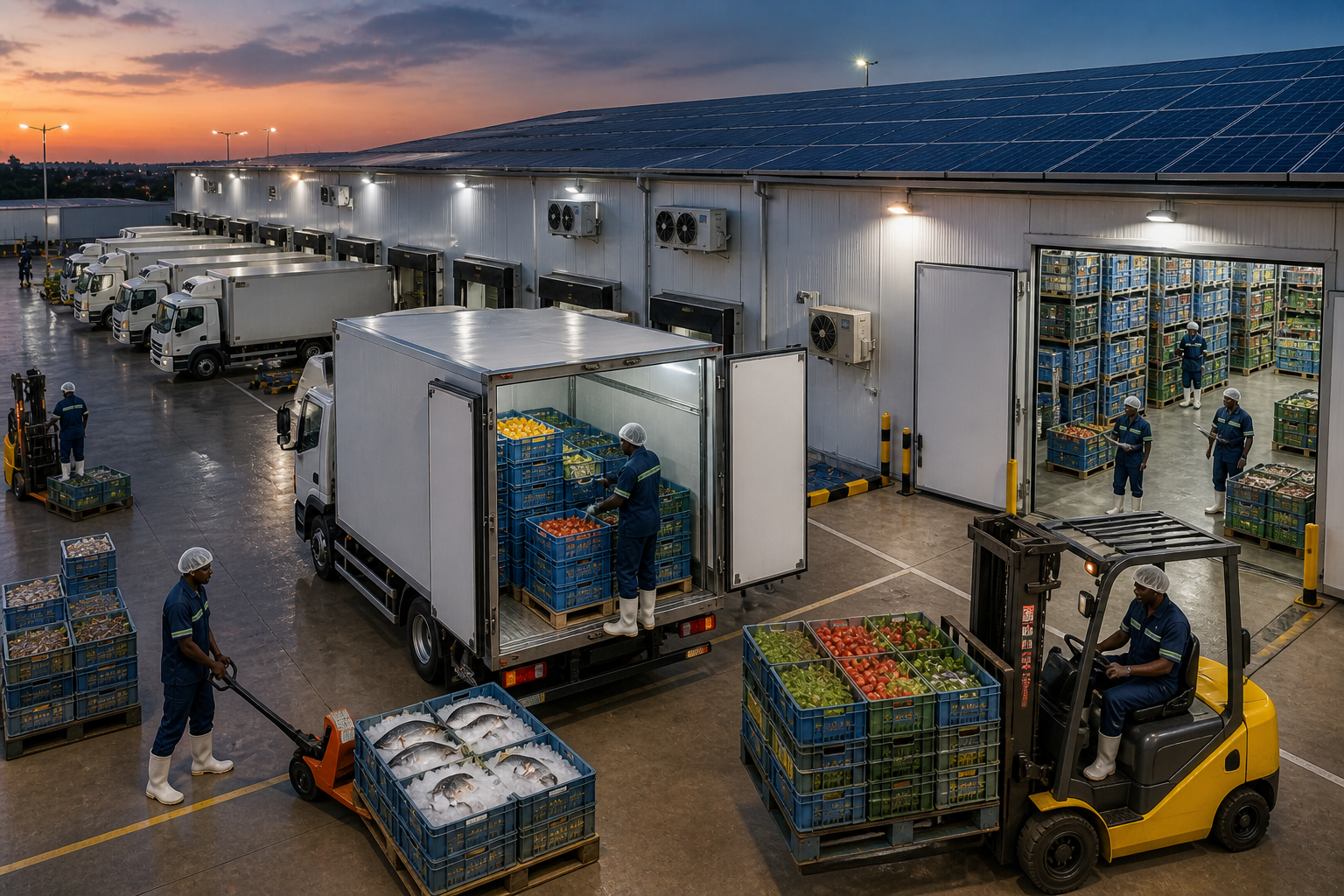
Cold-chain logistics platform with trucks, food products and rooftop solar panels.
conceptual illustration — digitally produced
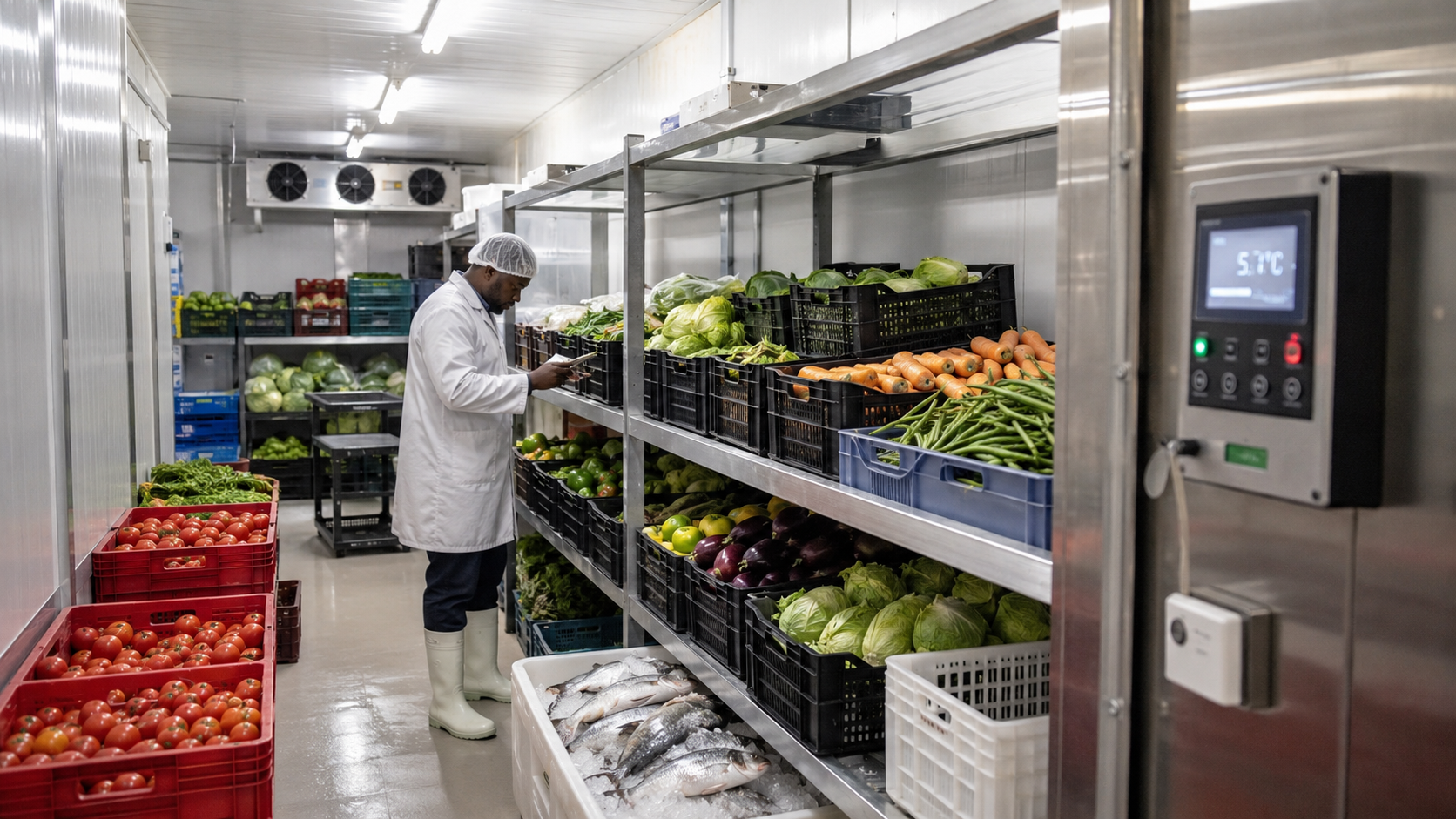
Cold-room interior with food products, an operator and a temperature display.
conceptual illustration — digitally produced
Healthcare professional at a vaccine refrigerator, beside solar energy equipment.
conceptual illustration — digitally produced

04.3

Entrepreneurship

Support the preparation of viable local activities.

Energy services capable of supporting viable local activity.

Points to document

  • Gather the needs of entrepreneurs and proposed activities.
  • Examine equipment, energy loads and service affordability.
  • Prepare support and monitoring arrangements.
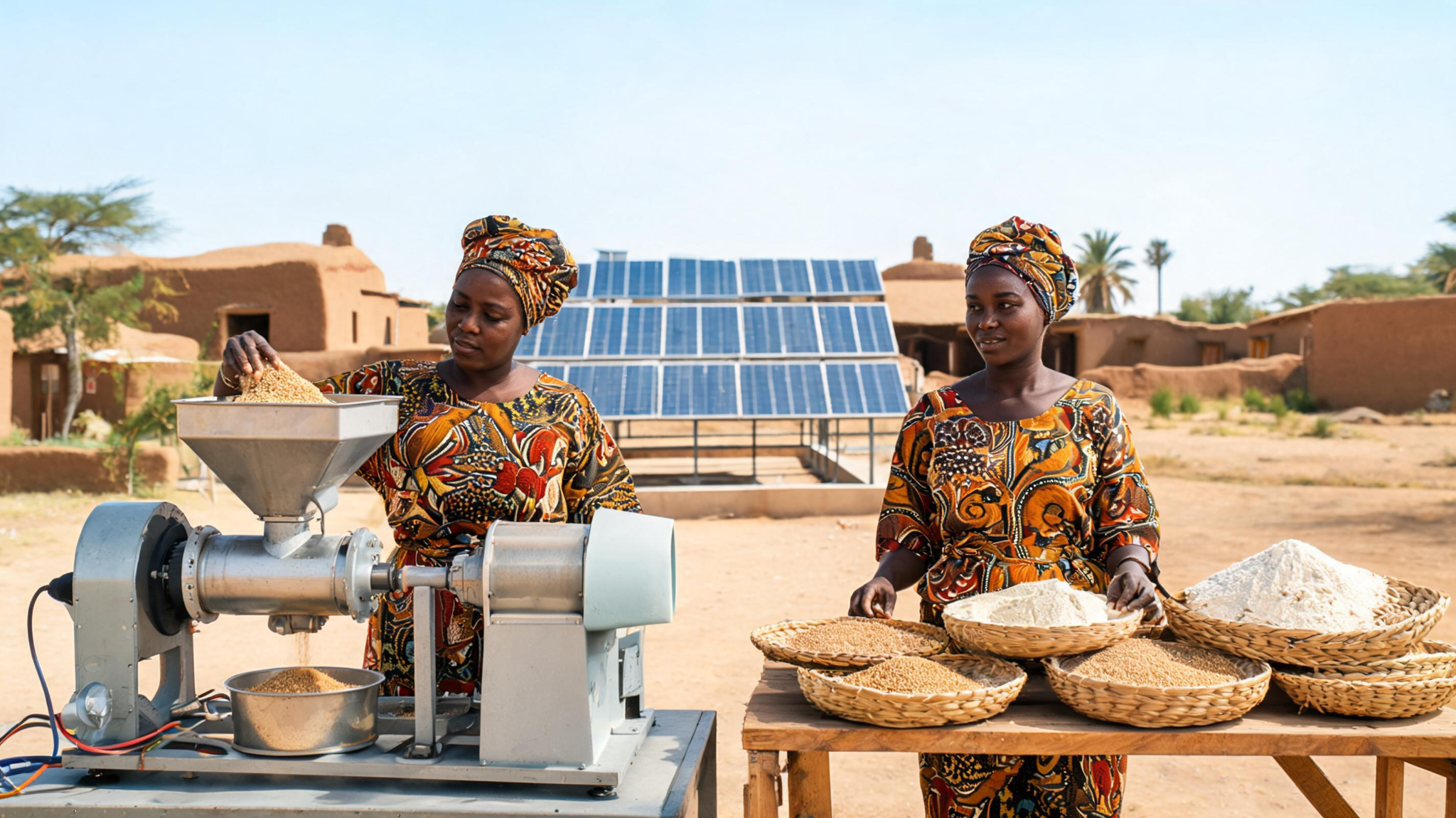
Two women using a grain mill and displaying processed products, with solar panels nearby.
conceptual illustration — digitally produced

05

Human capacity

Preparing the skills required by future ecosystems.

Conceptual illustration of digital skills training.
conceptual illustration — digitally produced
Conceptual illustration of women technicians in the solar sector.
conceptual illustration — digitally produced

05.1

Employment and training

Prepare skills pathways linked to future uses.

Technical pathways prioritising young people and women.

Points to document

  • Identify the technical skills required.
  • Design pathways accessible to young people and women.
  • Plan the transfer and assessment of practical knowledge.
Conceptual illustration of digital skills training.
conceptual illustration — digitally produced

05.2

Local anchoring

Build capabilities close to the territories concerned.

Operating, maintenance and governance capabilities to be developed.

Points to document

  • Identify local skills and stakeholders that could be mobilised.
  • Clarify operating and maintenance responsibilities.
  • Prepare knowledge transfer and coordination mechanisms.
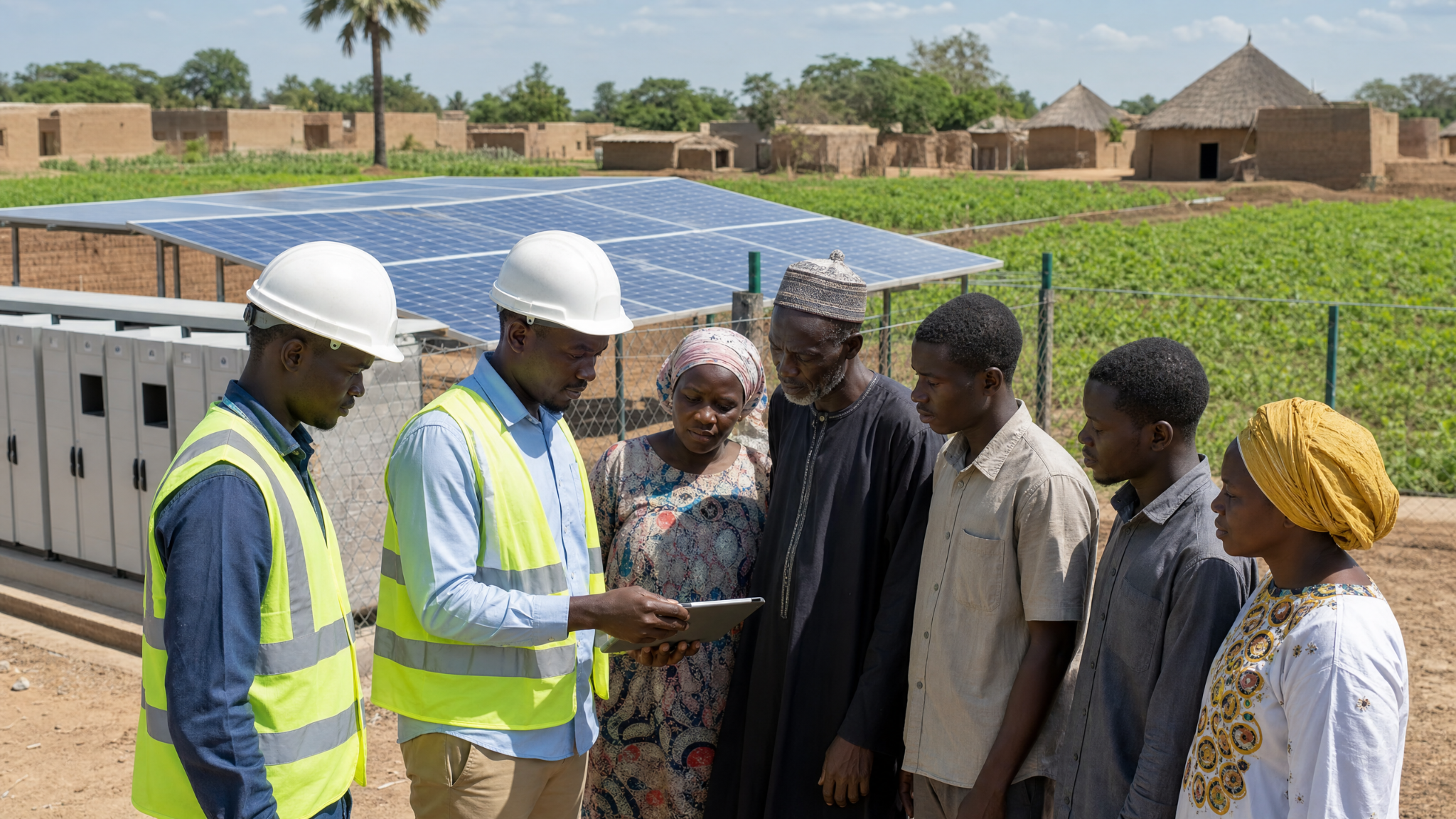
Group gathered around a tablet beside solar panels and cultivated plots.
conceptual illustration — digitally produced

05.3

Growth

Adapt skills to evolving needs.

Arrangements capable of adapting to expanding uses.

Points to document

  • Observe uses and emerging needs.
  • Update technical pathways and responsibilities.
  • Document lessons before any expansion.
Progressive adaptation of capabilities
  1. Observe

    Uses and emerging needs

  2. Adapt

    Skills and organisation

  3. Learn

    Lessons and expansion conditions

Decisions informed by territorial needs
proposed preparation diagram — LUMEREVA

06

Structuring

From a territorial need to a documented proposal.

Three proposed workstreams to prepare each prospect for appraisal, informed by territorial needs and discussions with stakeholders.

conceptual illustration — digitally produced

Ideation → Design → Operational structuring → Evaluation → Pre-implementation

06.1

Preparatory studies

Clarify priority uses, compare energy options and identify site constraints before considering a configuration.

Points to document

  • Establish service needs and consumption profiles.
  • Examine technical options, site access, and environmental and social constraints.
  • Record assumptions, limitations and information gaps.
From assessment to the study dossier
  1. Initial assessment

    Needs • uses • constraints

  2. Compared options

    Configurations • alternatives • limitations

  3. Further studies

    Information gaps • verification

Documented appraisal dossier
proposed preparation diagram — LUMEREVA

Expected inputs: initial assessment, compared options and further study needs.

06.2

Operating models

Define proposed management, operation and maintenance arrangements, with responsibilities suited to local capabilities.

Points to document

  • Clarify the roles of the project sponsor, operators and territorial stakeholders.
  • Prepare maintenance arrangements and the necessary skills.
  • Propose service monitoring and grievance handling arrangements.
Responsibilities and operating assumptions
  1. Initiative sponsor

    Coordination • appraisal • monitoring

  2. Territorial stakeholders

    Consultation • priorities • local anchoring

  3. Proposed operator

    Operation • maintenance • continuity

Interfaces to clarify: maintenance • service monitoring • accountability
proposed preparation diagram — LUMEREVA

Expected inputs: a responsibilities framework and operating assumptions.

06.3

Financing framework

Examine costs, potential resources and sustainability conditions without assuming a financing commitment.

Points to document

  • Estimate investment, operating and equipment replacement costs.
  • Make revenue and affordability assumptions explicit.
  • Examine potential instruments and partners against their eligibility criteria.
Scenarios, risks and conditions to be met
  1. Costs to estimate

    Investment • operation • replacement

  2. Resources to examine

    Revenue • instruments • eligibility

  3. Risks to assess

    Assumptions • sensitivities • measures

Sustainability conditions to document
proposed preparation diagram — LUMEREVA

Expected inputs: financial scenarios, risks and conditions to be met.

07

Proposed deployment

Progress shaped by territorial conditions.

Any timetable, location or expansion remains to be defined following appraisal and the required decisions.

07.1

Territorial anchoring

Engage with institutions, relevant services and communities to clarify priorities, uses and local capabilities.

To document: expressed needs, relevant stakeholders and consultation arrangements.

Local anchoring built with stakeholders
  1. Institutions

    Priorities and territorial framework

  2. Services and activities

    Uses and operating needs

  3. Communities

    Consultation and access conditions

Shared priorities and responsibilities to clarify
proposed preparation diagram — LUMEREVA

07.2

Phasing

Consider a staged progression: assessment, feasibility, structuring and decision. Any implementation will depend on approvals and available resources.

To document: milestones, responsibilities and conditions for moving to each stage.

Stages conditioned by appraisal
  1. Assessment

    Needs and baseline conditions

  2. Feasibility

    Options and constraints

  3. Structuring

    Responsibilities and resources

  4. Decision

    Approvals and conditions met

Potential implementation subject to the decisions taken
proposed preparation diagram — LUMEREVA

07.3

Replicability

Prepare arrangements for learning from a potential pilot to subsequently assess what could be adapted to other territories.

To document: outcomes to observe, limitations and conditions for adaptation.

Learn before considering adaptation
  1. Observe

    Outcomes of a potential pilot

  2. Document

    Lessons and limitations

  3. Adapt

    Conditions specific to the new territory

Replicability assessed for each territory
proposed preparation diagram — LUMEREVA

08

Decision framework

Four conditions to document before any structuring decision.

08.1

Need

Document the priority service and its uses.

A documented priority service or productive use.

Points to document

  • Needs expressed by relevant users and institutions.
  • Baseline conditions, usage profiles and service constraints.
  • Priorities to retain and assumptions to verify.
01 / 04

Expected inputs

A sufficiently precise statement of need to guide the studies.

08.2

Feasibility

Compare options before selecting a configuration.

A technical option compared with alternatives.

Points to document

  • Technical alternatives and site constraints.
  • Environmental, social and operating conditions.
  • Cost assumptions, limitations and further studies.
02 / 04

Expected inputs

An evidence-based assessment of options and feasibility conditions.

08.3

Governance

Clarify responsibilities and control mechanisms.

Clarified responsibilities and control mechanisms.

Points to document

  • Preparation, decision-making, operating and monitoring roles.
  • Consultation and grievance handling arrangements.
  • Traceability of decisions and proposed commitments.
03 / 04

Expected inputs

A clear responsibilities framework and defined accountability rules.

08.4

Sustainability

Examine the conditions for long-term continuity.

Credible operations, financing and monitoring.

Points to document

  • Operation, maintenance and equipment replacement.
  • Economic assumptions, service affordability and risks.
  • Monitoring arrangements and capacity to adapt.
04 / 04

Expected inputs

Documented viability conditions before any decision.

Institutional references

Resources to frame portfolio preparation.

  1. World Bank — Solar mini-grids: energy access and development conditions (2022)

    worldbank.org

  2. ESMAP — Accelerating the Productive Use of Electricity (2023)

    Productive electricity uses and rural economic development.

Identify a territorial prospect together.

LUMEREVA aims to open a structured dialogue with public institutions and partners able to contribute to the preparation of future initiatives.

Build with us