Note de référence · Domaines prioritairesReference note · Priority domains
Note d’approche sur l’accès à l’énergie et l’électrification ruraleApproach note on energy access and rural electrification
Préparer des solutions renouvelables fiables, accessibles et adaptées aux territoires.Preparing reliable, affordable renewable solutions suited to local territories.
Version 1.2Septembre 2026September 2026Document de travail institutionnelInstitutional working document
Objet de la notePurpose of this note
Cette note précise la manière dont LUMEREVA envisage d’examiner les besoins d’électrification rurale et de comparer les options techniques, économiques et institutionnelles.This note explains how LUMEREVA intends to examine rural-electrification needs and compare technical, economic and institutional options.
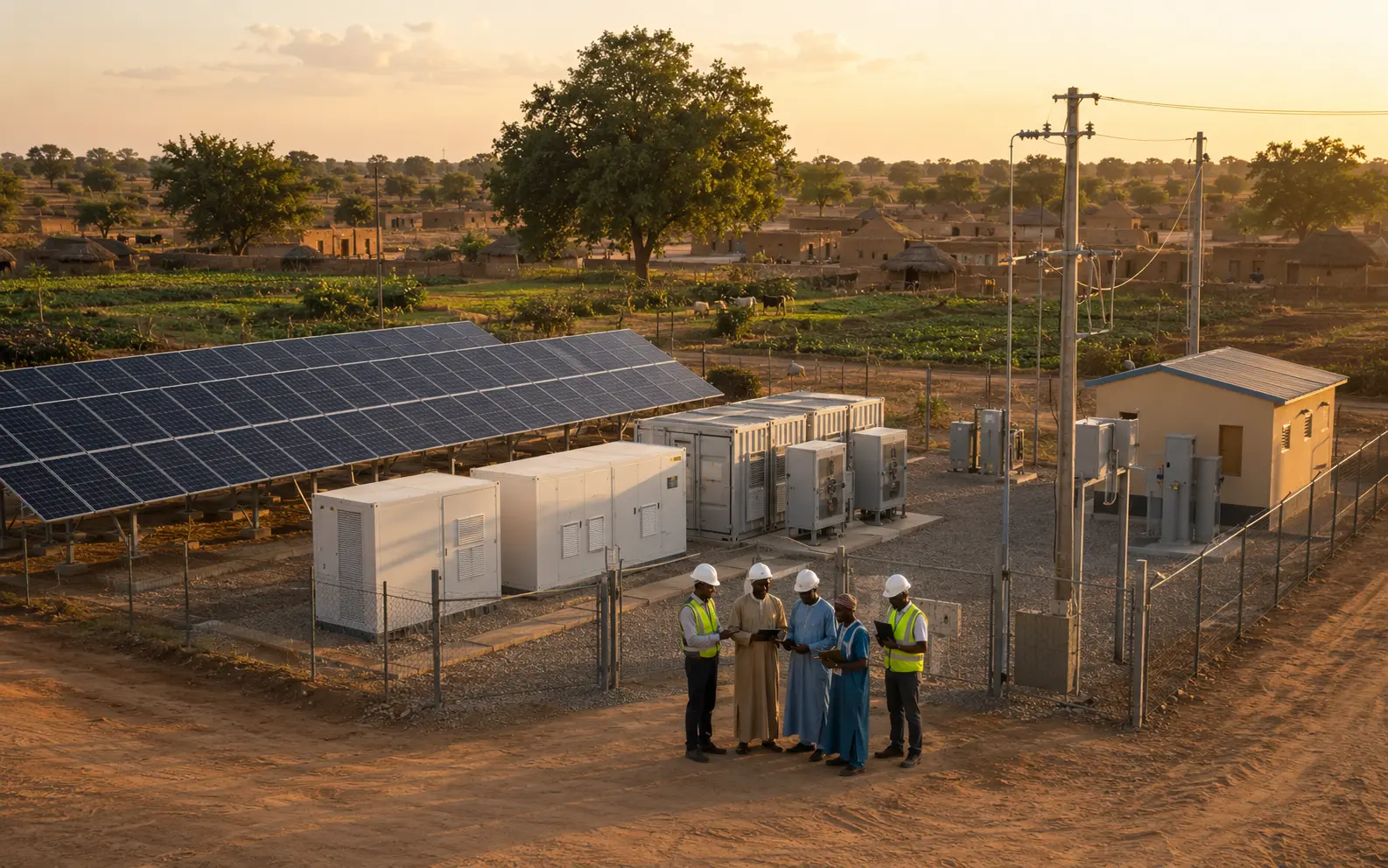
Installation électrique et accès énergétique ruralElectrical installation and rural energy accessillustration conceptuelle — produite numériquementconceptual illustration — digitally producedSéquence d’instruction territorialeTerritorial appraisal sequenceLes options sont comparées avant toute orientation technique.Options are compared before any technical direction is selected.visualisation conceptuelle — produite numériquementconceptual visualization — digitally produced
01CartographierMapPopulation et usagesPopulation and uses
03StructurerStructureExploitation et accessibilitéOperations and affordability
04VérifierVerifyService et résilienceService and resilience
Lecture animée d’une perspective solaireAnimated view of a solar perspectiveillustration conceptuelle — produite numériquementconceptual illustration — digitally produced
01
Enjeu et positionnementContext and positioning
Tracking SDG7 suit l’accès à l’électricité par pays sur la période 2000–2024 [1]. Mission 300 vise à étendre l’accès à 300 millions de personnes en Afrique d’ici 2030 [2].Tracking SDG7 monitors electricity access by country over 2000–2024 [1]. Mission 300 aims to extend access to 300 million people in Africa by 2030 [2].
LUMEREVA situe ses perspectives dans cet effort plus large, avec une priorité aux énergies renouvelables et au solaire, sans attribuer à l’entreprise les résultats d’initiatives tierces.LUMEREVA positions its initiatives under consideration within this wider effort, prioritising renewable energy and solar without attributing third-party results to the company.
Territoires ruraux et insuffisamment desservis.Rural and underserved territories.
Qualité et continuité du service.Service quality and continuity.
Capacité de paiement et inclusion.Affordability and inclusion.
Articulation avec les usages sociaux et productifs.Connections with social and productive uses.
02
Séquence de préparationPreparation sequence
La préparation commence par une analyse géospatiale et socioéconomique, puis compare les options d’extension de réseau, mini-réseau, systèmes autonomes et solutions hybrides renouvelables.Preparation begins with geospatial and socioeconomic analysis, followed by comparison of grid extension, mini-grid, stand-alone and renewable hybrid options.
Cartographie des ménages, institutions et activités.Mapping of households, institutions and activities.
Profil de charge actuel et demande latente.Current load profile and latent demand.
Ressource solaire et contraintes du site.Solar resource and site constraints.
Architecture, stockage, distribution et comptage.Generation, storage, distribution and metering architecture.
Modèle d’exploitation, maintenance et service client.Operating model, maintenance and customer service.
03
Critères de décisionDecision criteria
L’option privilégiée devra démontrer sa pertinence sur le cycle de vie et sa compatibilité avec les politiques nationales, les capacités locales et les exigences environnementales et sociales.The preferred option must demonstrate life-cycle relevance and compatibility with national policy, local capacity and environmental and social requirements.
Coût du service et accessibilité.Service cost and affordability.
Fiabilité, résilience et évolutivité.Reliability, resilience and scalability.
Capacité d’exploitation et disponibilité des pièces.Operating capacity and parts availability.
Acceptabilité sociale et ancrage institutionnel.Social acceptability and institutional anchoring.
Gestion de fin de vie des équipements.End-of-life equipment management.
04
Indicateurs prospectifsProspective indicators
Les indicateurs définitifs dépendront de la situation de référence.Final indicators will depend on the baseline.
Population et institutions potentiellement desservies.Population and institutions potentially served.
Heures de disponibilité et fréquence des interruptions.Availability hours and interruption frequency.
Part des usages essentiels et productifs.Share of essential and productive uses.
Coût moyen du service et mécanismes d’accessibilité.Average service cost and affordability mechanisms.
Émissions évitées estimées selon une méthodologie documentée.Estimated avoided emissions under a documented method.